Archives
- 2026-04
- 2026-03
- 2026-02
- 2026-01
- 2025-12
- 2025-11
- 2025-10
- 2025-09
- 2025-03
- 2025-02
- 2025-01
- 2024-12
- 2024-11
- 2024-10
- 2024-09
- 2024-08
- 2024-07
- 2024-06
- 2024-05
- 2024-04
- 2024-03
- 2024-02
- 2024-01
- 2023-12
- 2023-11
- 2023-10
- 2023-09
- 2023-08
- 2023-07
- 2023-06
- 2023-05
- 2023-04
- 2023-03
- 2023-02
- 2023-01
- 2022-12
- 2022-11
- 2022-10
- 2022-09
- 2022-08
- 2022-07
- 2022-06
- 2022-05
- 2022-04
- 2022-03
- 2022-02
- 2022-01
- 2021-12
- 2021-11
- 2021-10
- 2021-09
- 2021-08
- 2021-07
- 2021-06
- 2021-05
- 2021-04
- 2021-03
- 2021-02
- 2021-01
- 2020-12
- 2020-11
- 2020-10
- 2020-09
- 2020-08
- 2020-07
- 2020-06
- 2020-05
- 2020-04
- 2020-03
- 2020-02
- 2020-01
- 2019-12
- 2019-11
- 2019-10
- 2019-09
- 2019-08
- 2019-07
- 2019-06
- 2019-05
- 2019-04
- 2018-07
-
The inhibition of ACLY induces
2024-02-23
The inhibition of ACLY induces an anticancer effect that has been reported to be involved in mitochondrial reactive oxygen species (ROS) generation [14], [16], dual blockade of mitogen-activated protein kinase and phosphatidylinositol-3-kinase/AKT pathways [11], and the glycolytic phenotype of tumor
-
br Introduction Quenchbody Q body immunoassay is a
2024-02-22
Introduction Quenchbody (Q-body) immunoassay is a novel biosensing technology that uses the quenching of fluorescence by intrinsic tryptophan (Trp) residues in antibody variable regions when dye(s) are conjugated to an antibody or antibody fragments in appropriate position, and de-quenching while
-
A requirement for active PKA signaling
2024-02-22
A requirement for active PKA signaling during LTD induction was proposed in studies characterizing AKAP150 D36mice (Lu et al., 2008), but linking impaired LTD in D36 mice to PKA signaling deficits was complicated by subsequent work showing substantial increases in the number of dendritic spines and
-
In this article we have
2024-02-22
In this article, we have outlined the increasing, as yet still circumstantial evidence that the 6TM domains of bacterial ACs might operate as receptors for as yet unknown ligands. Intriguingly, several architectural arguments are also applicable to the 6TM domains of mammalian membrane-bound ACs (mA
-
Song et al reported series of triazolylsalicylamide derivati
2024-02-22
Song et al. reported series of 1,2,3-triazolylsalicylamide derivatives and screened over kinase panel and found compound 31 as most potent which inhibited Aurora-A, specifically with IC50 of 0.37 μM. Compound 31 was about 10-fold more active for Aurora-A than for Aurora-B (IC50 = 3.58 μM reported se
-
This progressive behaviour is summarized in Fig which depict
2024-02-22
This progressive behaviour is summarized in Fig. 4, which depicts the variation in convexity of the obtained cut-off patterns for the series of six antioxidants. The form and degree of convexity of the obtained cut-off curves should in principle correlate with the AOs hydrophobicities, and therefor
-
br Concluding remarks br Definition Prion diseases are fatal
2024-02-22
Concluding remarks Definition Prion diseases are fatal neurodegenerative disorders that are caused by an unconventional agent that is neither bacterial nor viral, but is in essence an infectious misfolded amyloidogenic protein, termed a prion (Prusiner, 1982). Once considered highly controvers
-
br Mechanism of action In
2024-02-22
Mechanism of action In general, the main targets for antifungal drug development are cell wall polymer (glucans, chitin, mannoproteins), cell membrane (especially ergosterol) biosynthesis, DNA and protein synthesis (topoisomerases, nucleases, elongation factors and myristoylation), and signal tra
-
Recent studies revealed that certain plant derived compounds
2024-02-21
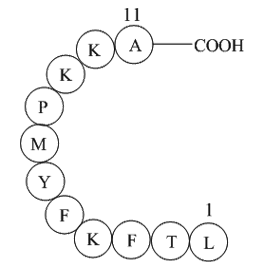
Recent studies revealed that certain plant-derived compounds can also interfere with AR function. One way of such an interference is by modulating its expression levels. This is the case for the two flavonoids quercetin and luteolin that have been reported to repress the function of AR by inhibiting
-
Introduction Aldose reductase ALR is the first enzyme of the
2024-02-21

Introduction Aldose reductase (ALR2) is the first enzyme of the polyol pathway that catalyzes the reduction of glucose to sorbitol utilizing NADPH as a cofactor. The intracellular accumulation of sorbitol, due to increased aldose reductase activity at high blood glucose levels, such as those occurr
-
Phloretin br Distribution of OCT in
2024-02-21
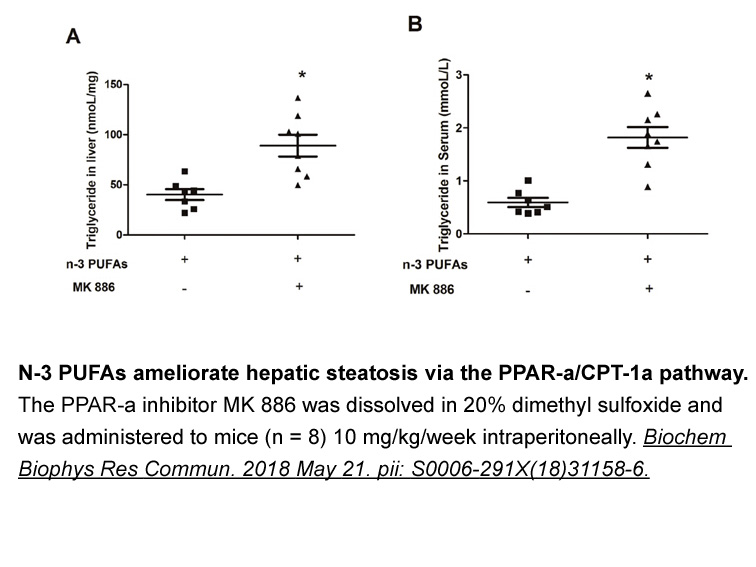
Distribution of OCT3 in rat brain To understand the potential roles of this corticosterone-sensitive monoamine clearance mechanism in the regulation of monoaminergic neurotransmission and behavior, and its potential contribution to corticosteroid actions on behavior, we examined the rostrocaudal
-
The knowledge on the structure of CYP including its
2024-02-21
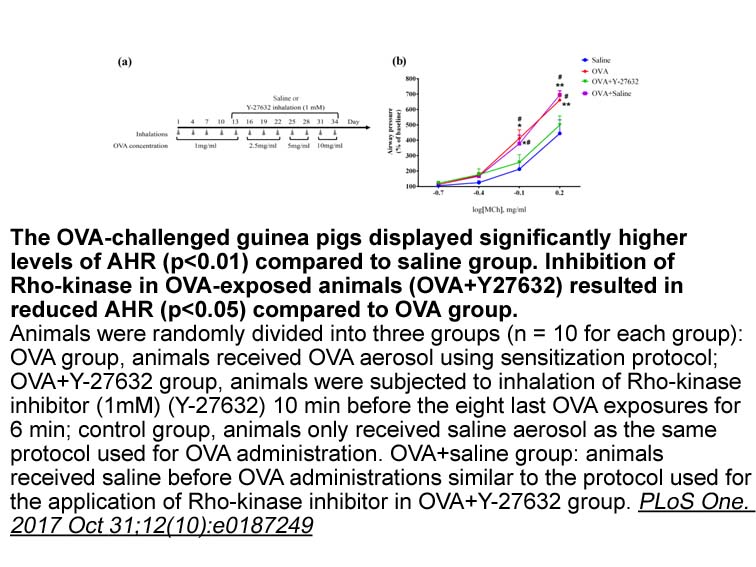
The knowledge on the structure of CYP17, including its active site, provides a rationale for understanding many mutations that are found in enzyme dysfunction in clinical disease as well as the enzyme's dual hydroxylase and lyase catalytic capabilities. This knowledge will assist rational drug desig
-
The inhibition of ACLY induces an
2024-02-21
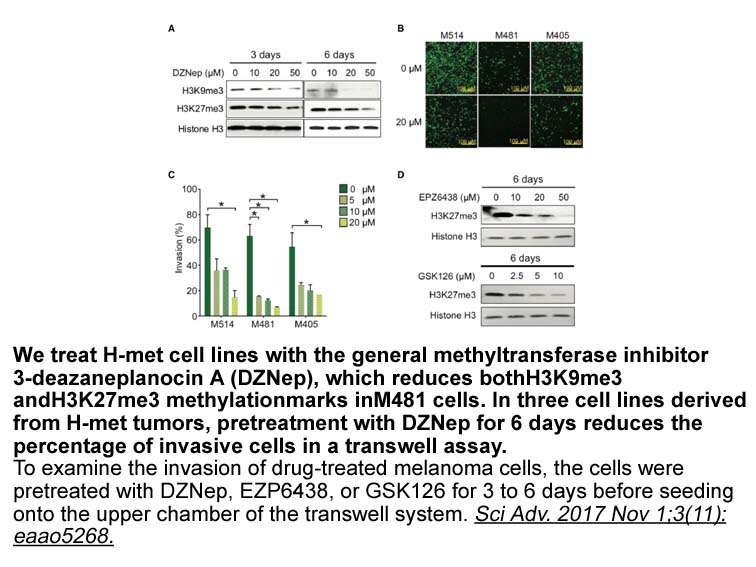
The inhibition of ACLY induces an anticancer effect that has been reported to be involved in mitochondrial reactive oxygen species (ROS) generation [14], [16], dual blockade of mitogen-activated protein kinase and phosphatidylinositol-3-kinase/AKT pathways [11], and the glycolytic phenotype of tumor
-
shows the complexes resulting from interaction of the propos
2024-02-21
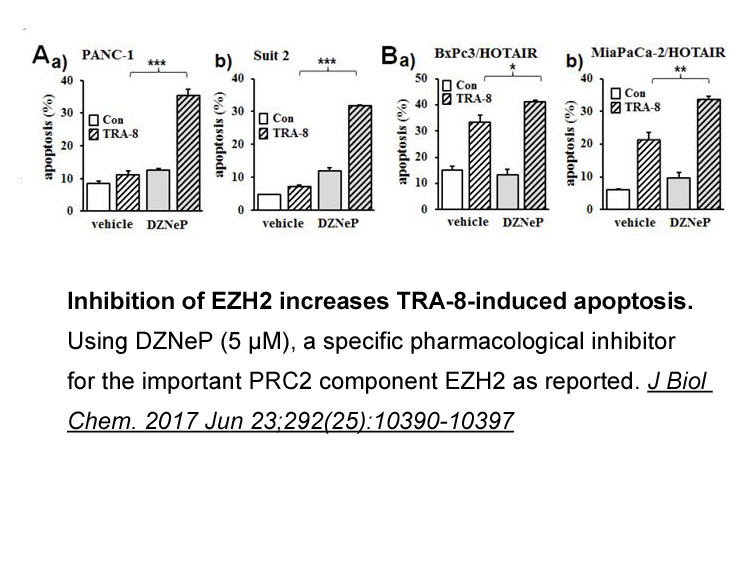
shows the complexes resulting from interaction of the proposed anion receptors with the anions F, Cl, NO, and SO. No imaginary frequency was observed for the optimized complexes indicating the complexes are in potential minima and they are not transition state structures. summarizes the calculated
-
Further validation for a role in
2024-02-20
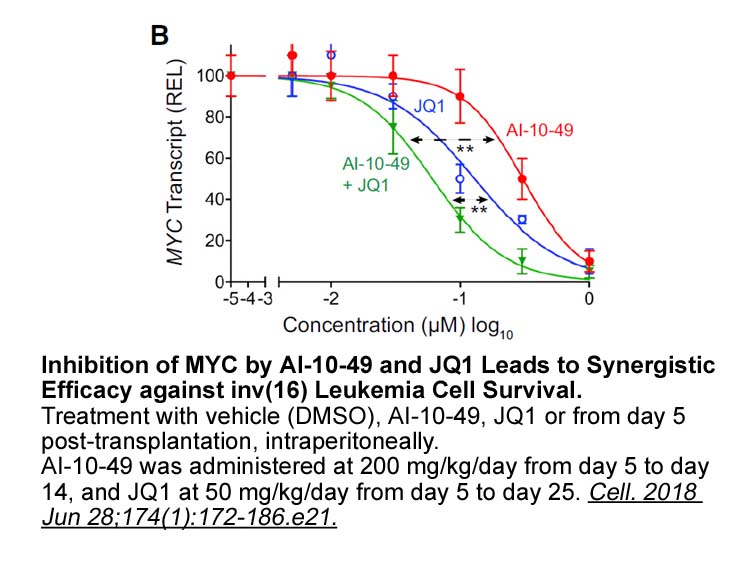
Further validation for a role in 12/15-LOX pathway in mediating adipocyte function comes from studies revealing a regulatory role of lipocalin-2 on 12/15-LOX activity. Lipocalin-2, a glycoprotein member of the lipocalin superfamily, is a novel abundant adipokine implicated in obesity-mediated inflam
16095 records 205/1073 page Previous Next First page 上5页 201202203204205 下5页 Last page