Archives
- 2026-07
- 2026-06
- 2026-05
- 2026-04
- 2026-03
- 2026-02
- 2026-01
- 2025-12
- 2025-11
- 2025-10
- 2025-09
- 2025-03
- 2025-02
- 2025-01
- 2024-12
- 2024-11
- 2024-10
- 2024-09
- 2024-08
- 2024-07
- 2024-06
- 2024-05
- 2024-04
- 2024-03
- 2024-02
- 2024-01
- 2023-12
- 2023-11
- 2023-10
- 2023-09
- 2023-08
- 2023-07
- 2023-06
- 2023-05
- 2023-04
- 2023-03
- 2023-02
- 2023-01
- 2022-12
- 2022-11
- 2022-10
- 2022-09
- 2022-08
- 2022-07
- 2022-06
- 2022-05
- 2022-04
- 2022-03
- 2022-02
- 2022-01
- 2021-12
- 2021-11
- 2021-10
- 2021-09
- 2021-08
- 2021-07
- 2021-06
- 2021-05
- 2021-04
- 2021-03
- 2021-02
- 2021-01
- 2020-12
- 2020-11
- 2020-10
- 2020-09
- 2020-08
- 2020-07
- 2020-06
- 2020-05
- 2020-04
- 2020-03
- 2020-02
- 2020-01
- 2019-12
- 2019-11
- 2019-10
- 2019-09
- 2019-08
- 2019-07
- 2019-06
- 2019-05
- 2019-04
- 2018-07
-
Caspase-3/7 Inhibitor Dithiodipyridine also known as aldrith
2022-01-10
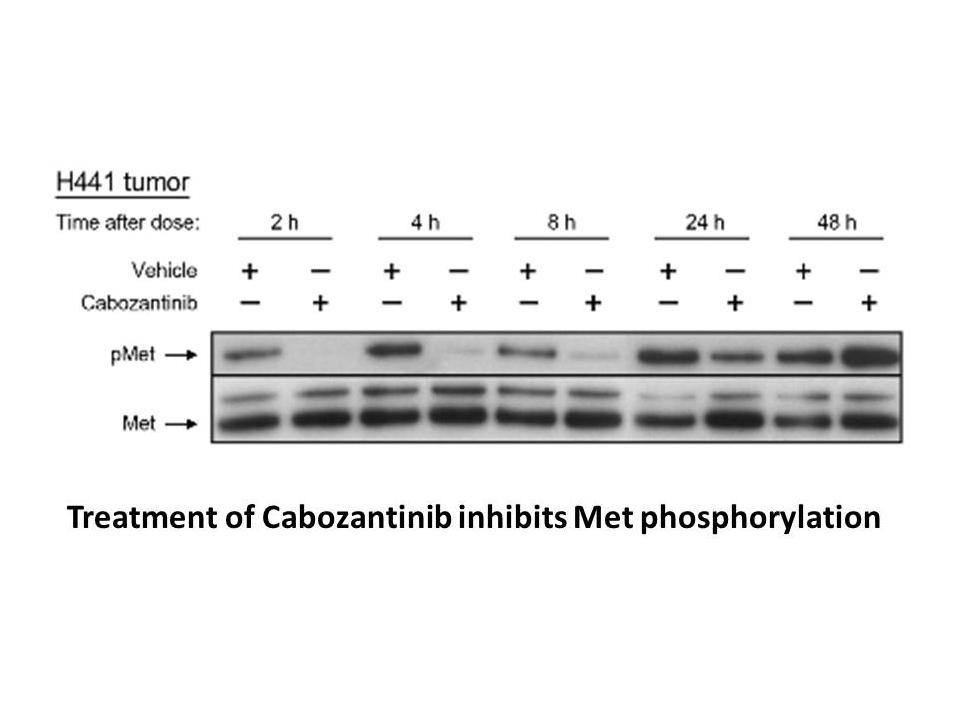
2,2′-Dithiodipyridine , also known as aldrithiol, is a known zinc ejector, targeting for instance the zinc finger in nucleocapsid protein of human immunodeficiency Caspase-3/7 Inhibitor type 1. inhibited G9a activity with IC = 0.65 µM and GLP with IC = 2.6 µM. We also tested disulfide cysteamine di
-
Furthermore we also found that both activation of oncogenes
2022-01-10
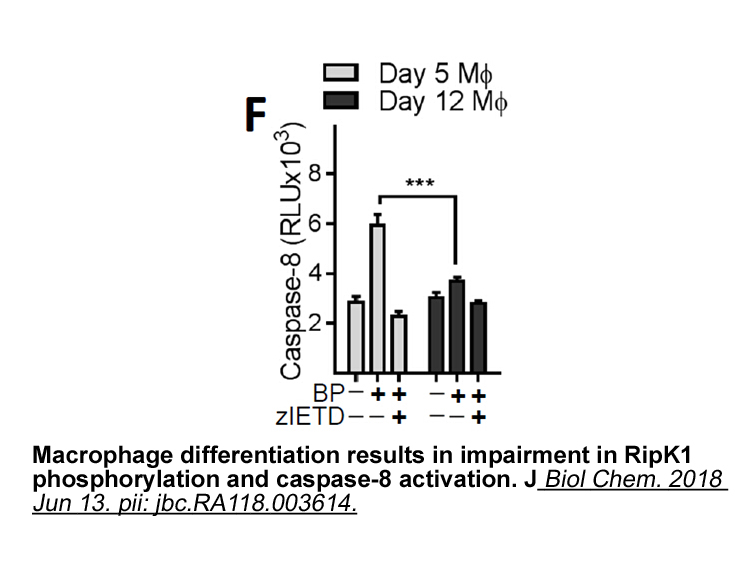
Furthermore, we also found that both activation of oncogenes and inactivation of tumor suppressor genes occurred in HBV oval cells, which showed opposite pattern in HBV hepatocytes. These genes might take part in neoplastic transformation of oval cells induced by HBV regarding the multipotent role o
-
The use of antiinflammatory agents has
2022-01-10
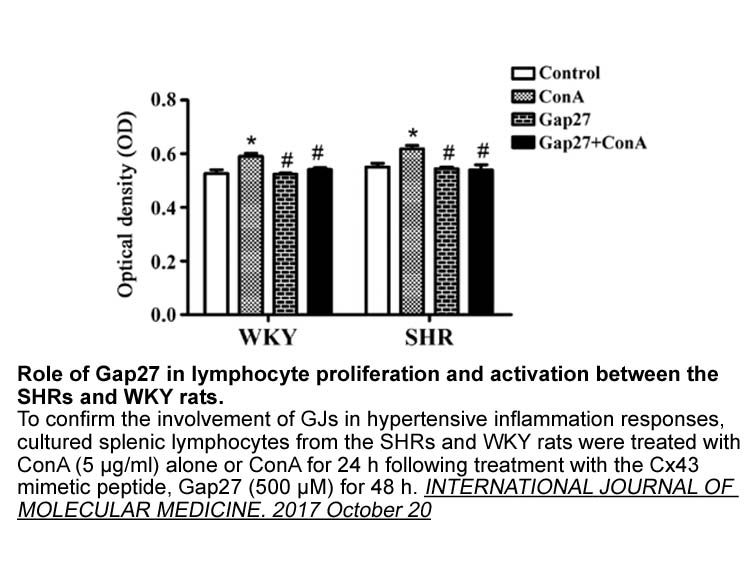
The use of antiinflammatory agents has been suggested as a potential treatment in HF. One strategy targeted tumor necrosis factor (TNF) in HF,, but the negative results of the clinical trials have been discouraging., Other clinical trials have attempted to suppress proinflammatory cytokine product
-
br Materials and methods br Results br
2022-01-10
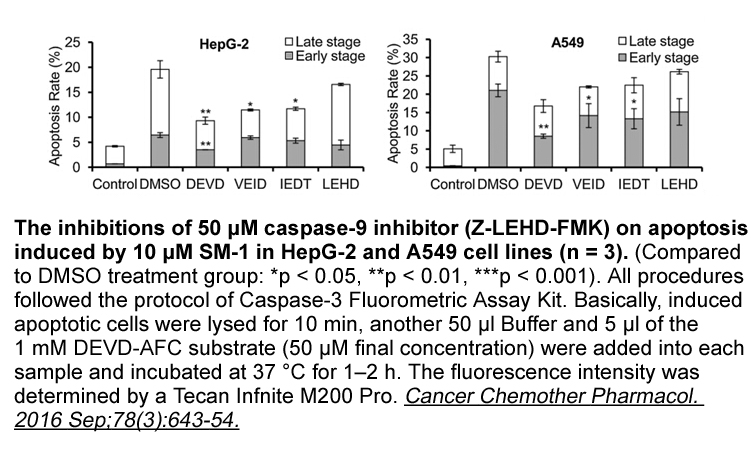
Materials and methods Results Discussion ENU mutagenesis is a powerful approach to identify novel genes or NU 7026 receptor to dissect the molecular basis of mammalian immune system (Siggs, 2014). T cells are critical components in the host defense against pathogens, and their activity has
-
In addition to vertebrate species GnRH has been identified
2022-01-10
In addition to vertebrate species, GnRH has been identified in invertebrates, such as in the Protochordate Ciona intestinalis (Powell et al., 1996; Adams et al., 2003), the decapods mollusk Octopus vulgaris (Iwakoshi et al., 2002), the gastropod mollusk, the sea hare Aplysia californica (Zhang et al
-
A number of anti diabetic drugs
2022-01-07
A number of anti-diabetic drugs are available that inhibit α-glucosidase activity, including acarbose, voglibose and miglitol [6,7]. These inhibitors, however, also exhibit undesirable side effects, such as adverse gastrointestinal symptoms and liver toxicity [8,9]. For diabetics, it would therefore
-
After the origin of the family of genes
2022-01-07
After the origin of the family of genes for receptors for peptides similar to glucagon, the genes have not remained static. Not only have their sequences evolved, but also like peptides similar to glucagon (Irwin, 2001, Irwin, 2009, Irwin, 2012, Ng et al., 2010, Hwang et al., 2013), the numbers of g
-
br Conclusions We have shown that despite
2022-01-07
Conclusions We have shown that despite the development of severe insulin intolerance and marked alterations in whole body substrate oxidation that Gcgr−/− mice are protected against olanzapine-induced hyperglycemia. Our data provides evidence that this protective effect is likely due in large par
-
DHAP br Materials Aspergillus oryzae GS U
2022-01-07
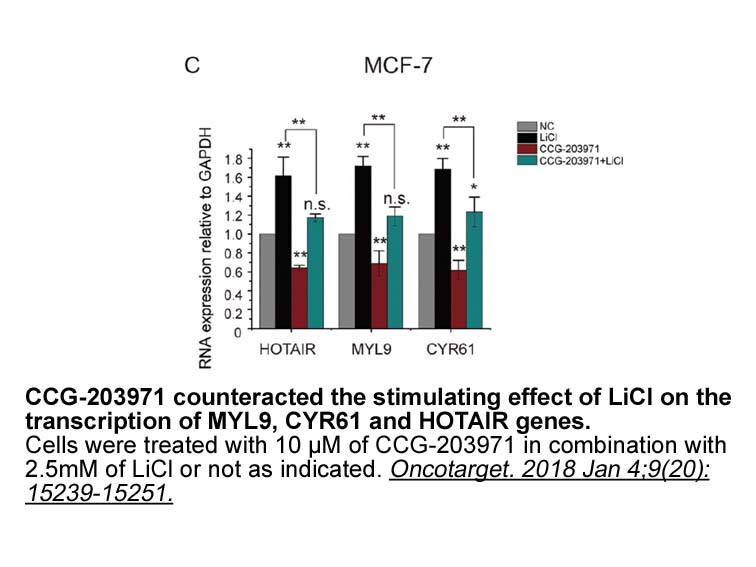
Materials Aspergillus oryzae βGS (8.4 U mg−1 solid) was obtained from Sigma-Aldrich Chemicals Co. (USA). o-Nitrophenyl β-d-galactopyranoside (ONPG), sodium carbonate, zinc chloride, manganese chloride, calcium chloride and potassium chloride were procured from Sisco Research Laboratories (SRL), M
-
The membrane metalloendopeptidase MME gene is located at
2022-01-07

The membrane metalloendopeptidase (MME) gene is located at human chromosome 3q21-27. It encodes a 100-kD type II transmembrane glycoprotein, a widely expressed membrane metalloendopeptidase that degrades a number of substrates. The active site of the enzyme faces the extracellular space. MME is wide
-
Data of initial analogs have been shown in wherein
2022-01-07
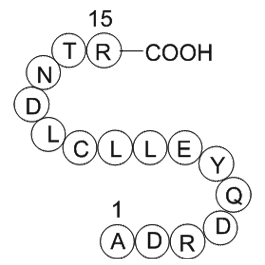
Data of initial analogs (±)-– have been shown in wherein SAR was observed for the intended change of the right-hand side pyridin-3-yl ring of to various other -containing heteroaryl ring (Ar) disposing the ring- at different directions. Based on consistent human and rat FAAH potency as well as int
-
Long non coding RNAs lncRNAs are a
2022-01-07
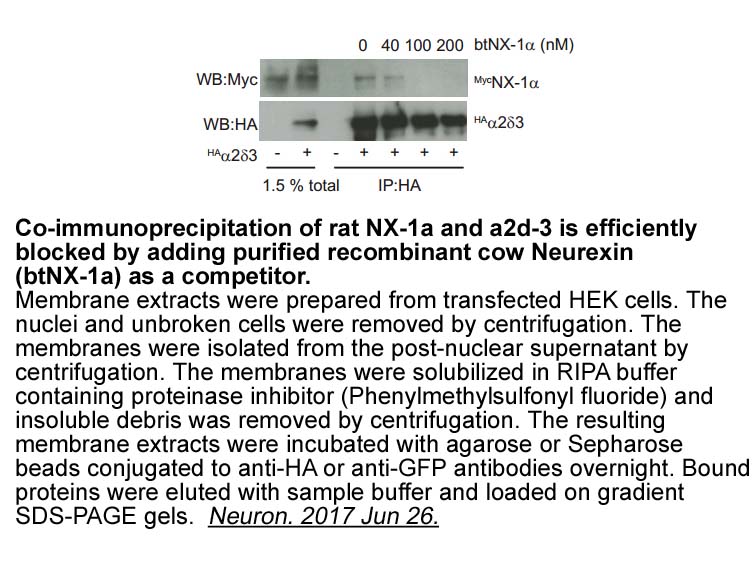
Long non-coding RNAs (lncRNAs) are a class of RNA transcripts which are over 200 nucleotides in length and not translated into proteins (Ponting et al., 2009). Recent studies showed that lncRNAs have been identified as crucial regulators of gene expression, chromatin remodeling, and cell cycle (Wahl
-
The CRY protein contains a conserved photolyase
2022-01-07
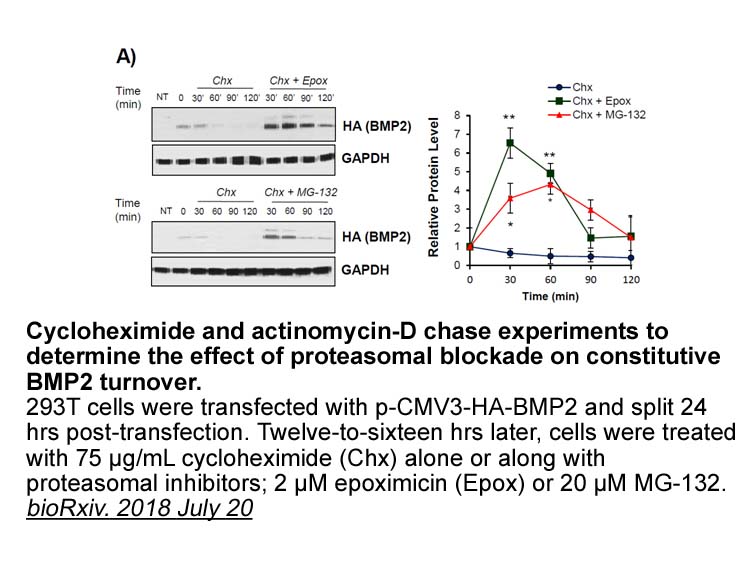
The CRY1 protein contains a conserved photolyase homology region crucially involved in repression of CLOCK/BMAL1; a C-terminal helix also known as the predicted coiled coil (CC), which interacts with PER2 and FBXL3 in a mutually exclusive manner; and a C-terminal extension also referred to as the “t
-
3 bromopyruvate Historically pharmacological investigations
2022-01-07
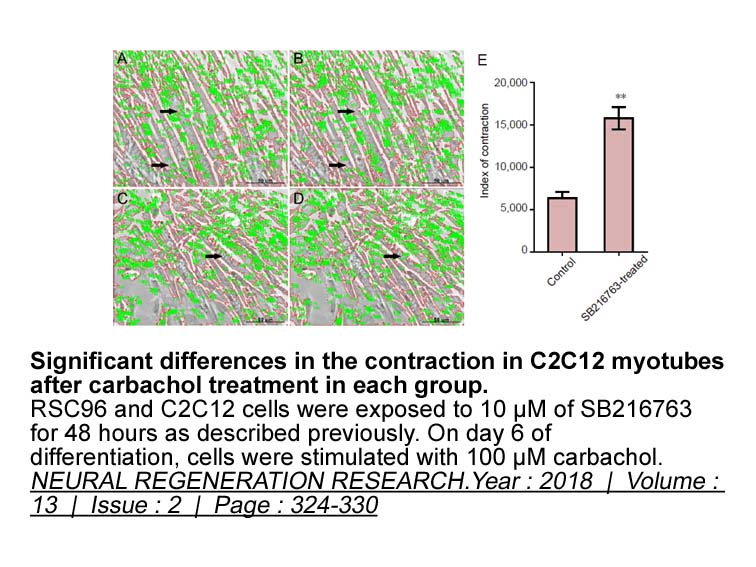
Historically, pharmacological investigations have been carried out by first identifying a biological response to a ligand, and then subsequently using that ligand to identify the receptor(s) responsible for the response (Wilson et al., 1998). However, this approach needed revision with the discovery
-
Following activation it is necessary for a subset
2022-01-06
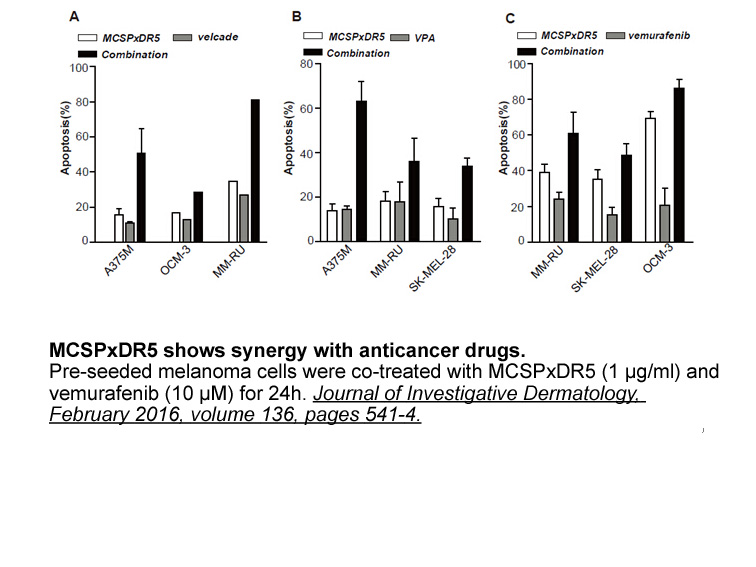
Following activation, it is necessary for a subset of activated effector T cells to survive as long-lived memory T cells. Metabolically, this transition is dependent upon the ability of the cell to downregulate aerobic glycolysis and transition back to a more oxidative phenotype. In fact, enhancemen
16257 records 557/1084 page Previous Next First page 上5页 556557558559560 下5页 Last page